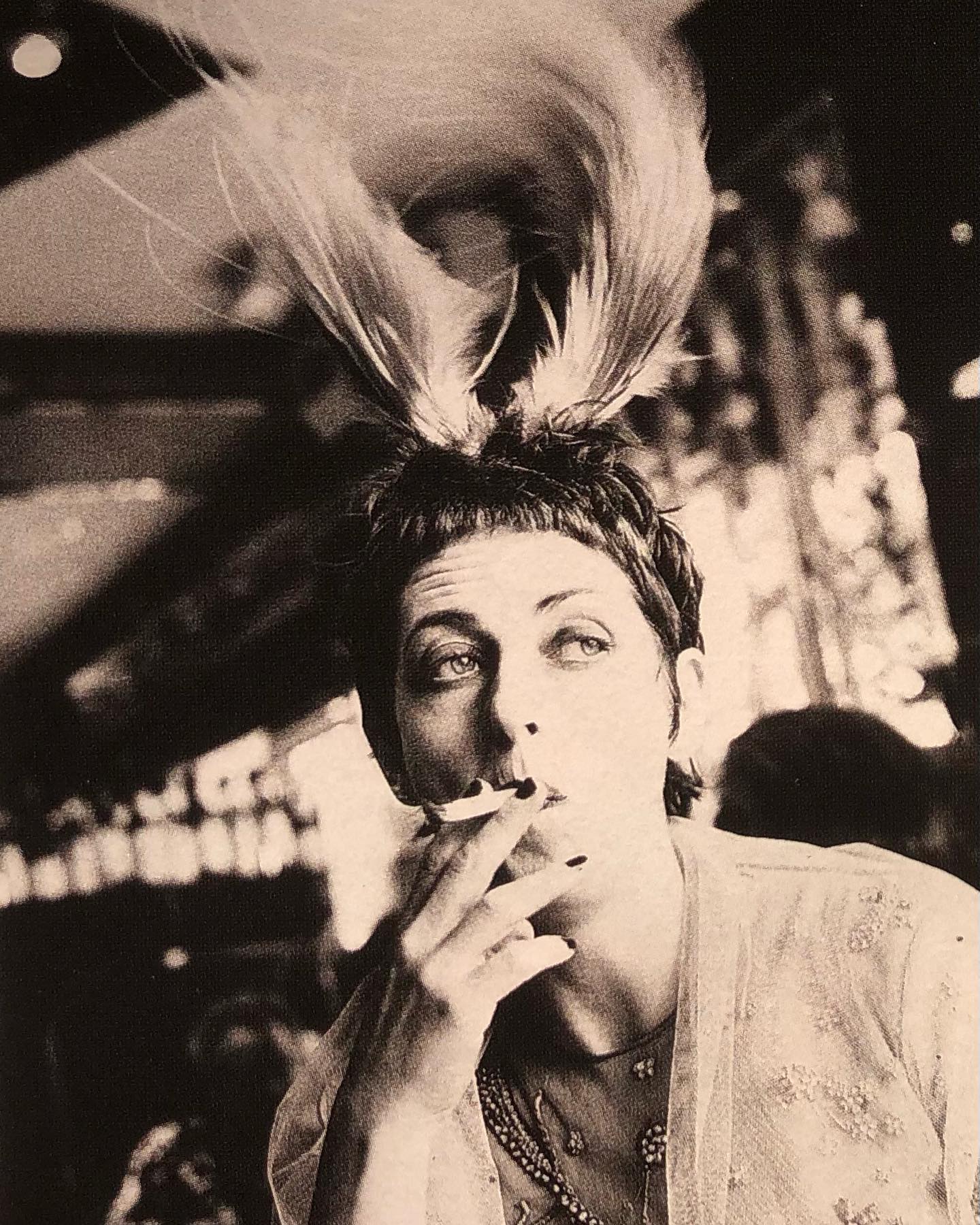
ISABELLA BLOW: THE STORY OF FASHION'S MOST IMPORTANT MUSE
Select Ishtar

Isabella Blow

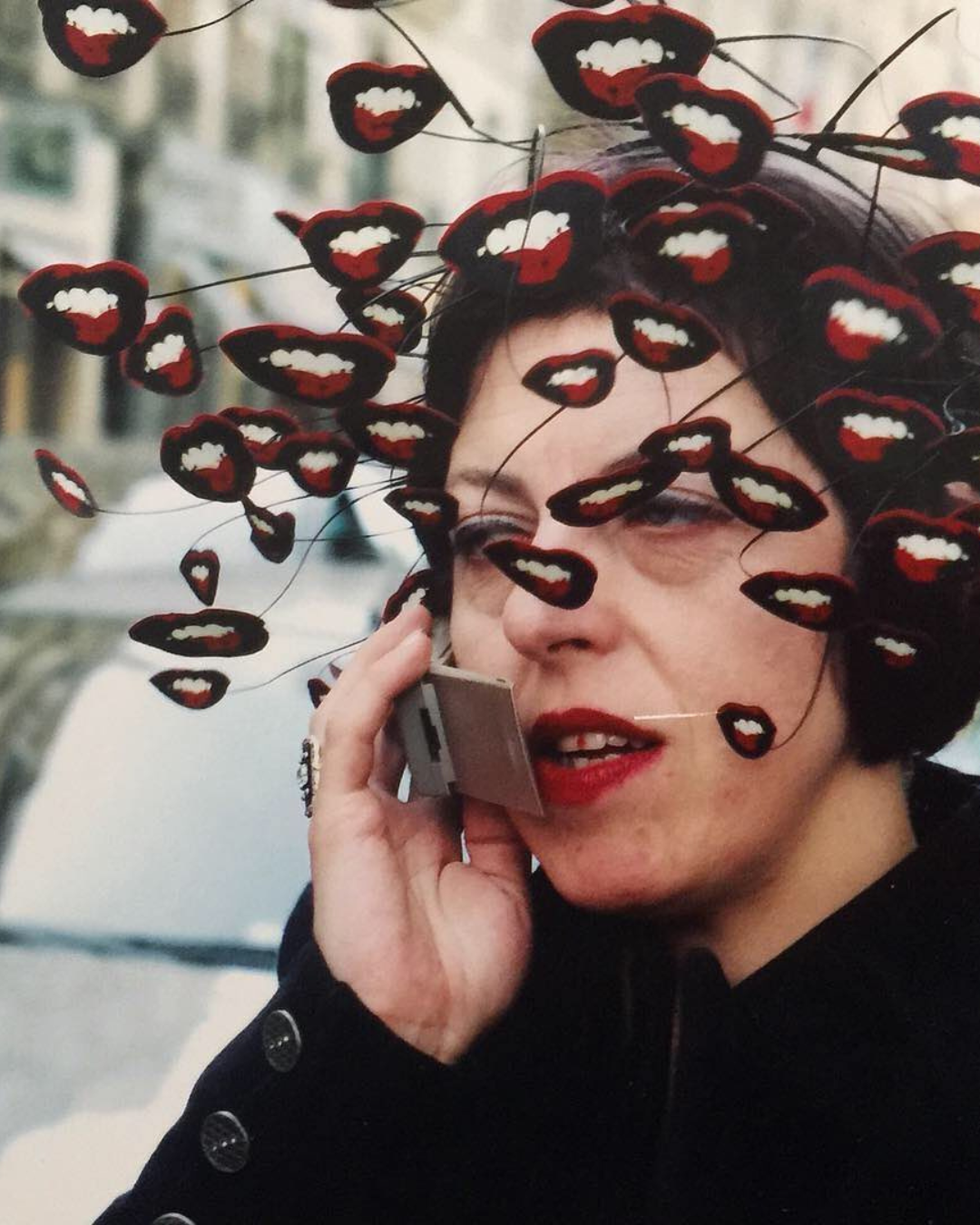
Certain individuals, through their eccentricity, vision, and generosity, defined a part of history. In a world of geniuses struggling to be seen and recognized in the competitive fashion industry, there are visionaries who observe, support, and amplify their exposure. Many recognize Isabella Blow as a visionary with dark nuances, a fashion lover whose outlandish vision of style concealed more than her striking appearances revealed.
Isabella Blow's story was written with a broken pen in ink, the result of a childhood and youth filled with adversity. In a family environment guarded by tragedy, the death of her younger brother forever marked her life. These events led to the imminent separation of her parents and a profound detachment and indifference during her upbringing, leaving a permanent scar reflected in her insecurities and her constant need for attention and emotional attachment.
Her attachment found ephemeral relief in her first marriage, with her husband's job opportunity at American oil plants, she embarked on an adventure to the United States, specifically New York. There, while studying at Columbia University, she met artists like Andy Warhol and Basquiat, becoming popular at parties of the era due to her striptetease performances.
ISABELLA ENTERS THE WORLD OF FASHION
In 1983, Anna Wintour, editor of Vogue USA, took Isabella Blow on as her assistant. Under Blow's artistic approach, she valued and promoted the inclusion of art within fashion, shifting the magazine's cold and flat perspective at the time. This approach, categorized as controversial by internal magazine staff, propelled her towards a director more open to her proposals: André Leon Talley.
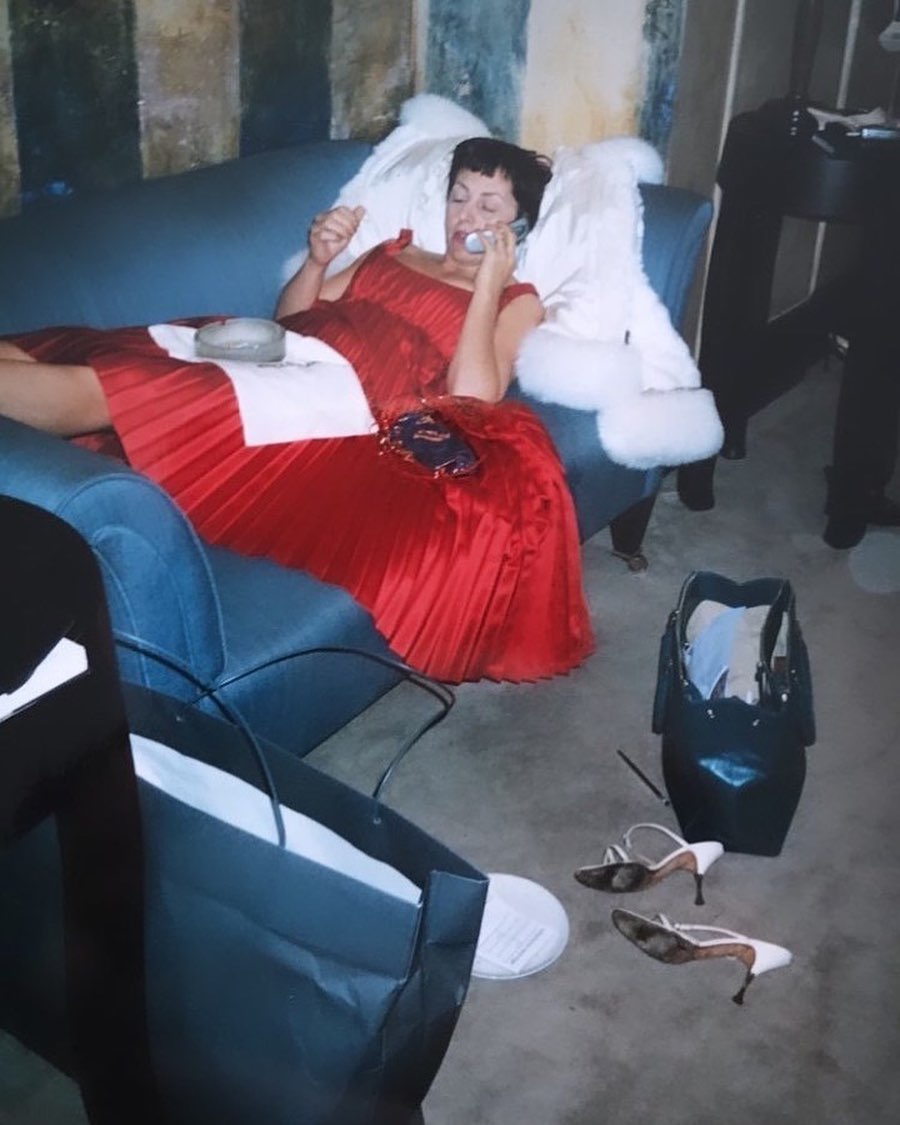
As her insecurities grew, a result of a divorce and a new relationship, so did her addiction to extravagant shopping. Her lifestyle became uncertain, always intertwined with her fear of loneliness. She left her job with André Leon to return to England in 1986 and work as a style editor under Michael Roberts at Tatler magazine.
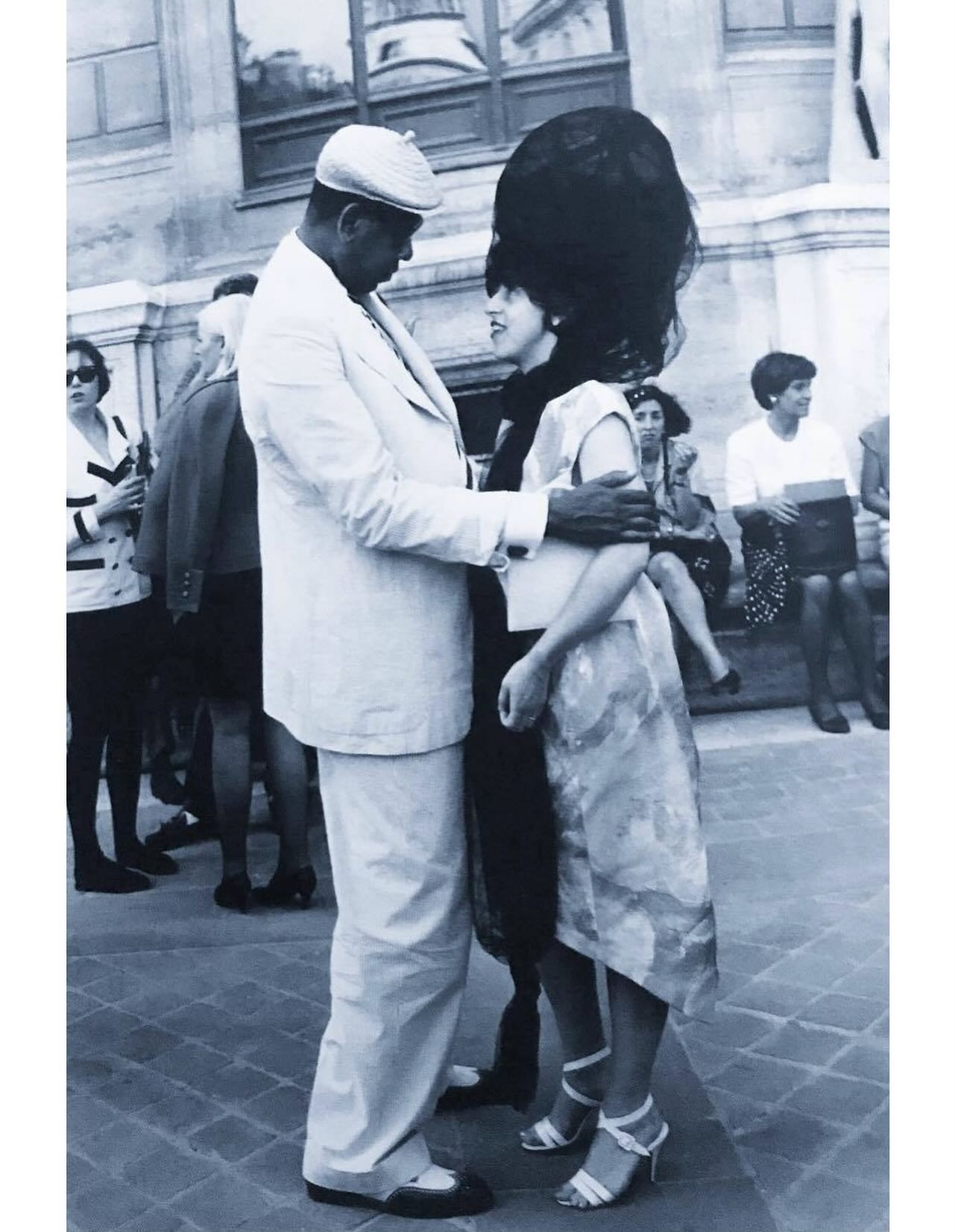
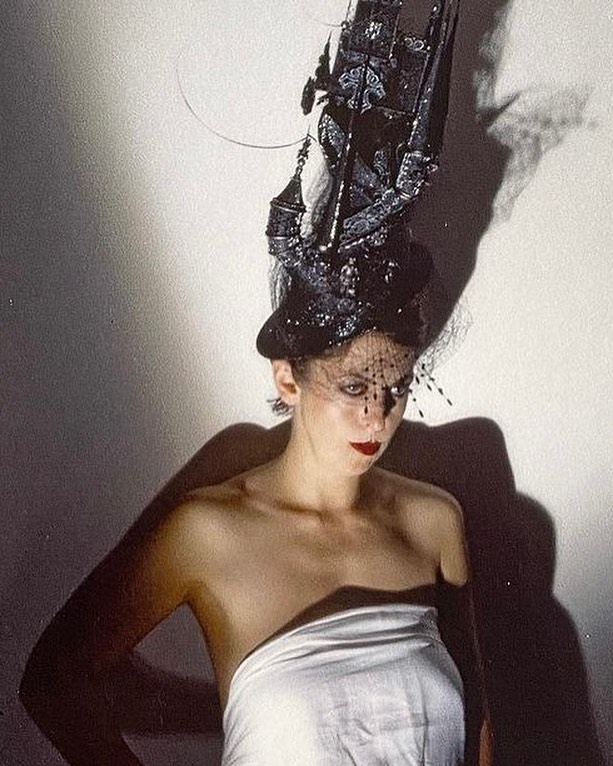
With her second marriage in 1989 to Detmar Blow, she would unknowingly forge her most enduring relationship with milliner Philip Treacy, who made her wedding headpiece. Isabella was so impressed that she moved Treacy's workshop into her apartment, providing him with a space to work and display his creations, which became a recognizable aspect of Blow's style.
After her extravagant wedding, the expenses charged to the publishing houses Isabella worked for exploded due to her lavish taste. The overflow was so extreme that she was fired from Tatler and rejoined Vogue as a Contributing Editor, but Blow's heart didn't align with the magazine's commercial concept; instead, she focused on emerging designers and their graduation collections.
A FUTURE HAND-IN-HAND WITH MCQUEEN
In 1992, Central Saint Martins, the most prestigious fashion school in the world, held its largest graduation runway show. And it was there that the magic happened: amidst mystery, gore, and textile combinations ahead of their time, she met Alexander Lee McQueen.
Isabella always prioritized her friendships over her contacts: she introduced Philip Treacy to Karl Lagerfeld, giving him the opportunity to work at Chanel, and helped Alexander McQueen's designs be featured in British Vogue. The love between both creatives became obsessive due to McQueen's jealousy of Isabella's new "discoveries." Despite his bad temper, the designer's talent moved and impressed his new muse enough for her to stay by his side.
In 1996, her legacy began to be projected in opportunities. A tribute to her discoveries and career in Vogue's September Issue, accompanied by McQueen's creative direction at Givenchy, brought her career back to its peak. However, Lee decided not to include her in his creative team.
A NEW LANDSCAPE FOR ISABELLA BLOW
Devastated and forced to smile despite this abandonment, Isabella continued to try her luck in discovering talents, now with model Sophia Dahl and the Sunday Times' style guide, creating editorials with Mario Testino that revived the newspaper, marked the year 1997, and reinforced Blow's pristine editorial eye.
Unfortunately, in her private life, everything was going downhill, a consequence of her infertility. The weight of the expectations that came with being Isabella Blow led to an inability to appear at subsequent Fashion Weeks. To combat her depression, Isabella worked even harder with designers like Jeremy Scott and brands like Swarovski.
In this spiral of unfortunate events, Isabella separated from her husband, Detmar Blow, in 2003 and was taken to a psychiatric hospital with a diagnosis of bipolarity, where, despite treatment, her mental condition did not improve, nor did her financial stability. After leaving Swarovski and several affairs, Isabella took a path to combat her depression: alcohol.
In 2006, friends like Condé Nast, Anna Wintour, and Philip Treacy tried to help, unsuccessfully, an Isabella who had given up, literally saving her life on several occasions after she shared her suicidal thoughts. However, during one of her attempts, doctors detected ovarian cancer. This discovery led Isabella to internalize the incompatibility of the disease with her celebrity status.
THE MUSE'S LEGACY
She tried to reconcile with McQueen; however, the designer was facing his own demons, to which he added the silent guilt he felt for abandoning the person who supported him, and after nonexistent communication, he removed her from his will.
Isabella's end in 2007 was quiet and moving. A final farewell in her room, a breath and rest for the greatest muse who ever existed. Her life is now transformed into legacy and memories, tormenting for some, but sacred for every printed page ever created in every fashion magazine in the world.
This text is a reminder that every person has an unresolved inner world. Sometimes sadness turns into hard work and talent into an escape. Through the legacy Isabella leaves us in her friends, like Treacy or Daphne Guinness, who preserves her historic collection, we know that she will live forever.